
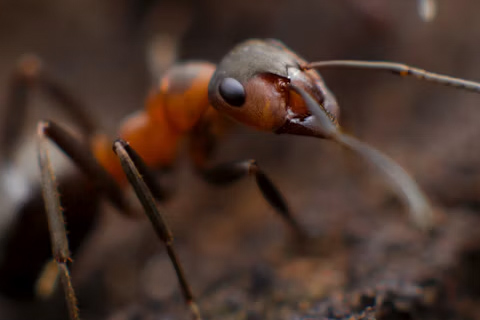
As temperatures begin to cool across Georgia, you might notice some unexpected visitors showing up around your home. Spiders seem to appear in every corner, stink bugs gather around windows, and rodents start looking for warmer places to settle in. While fall brings welcome relief from summer heat, it also signals a change in behavior for many common household pests.
For homeowners in McDonough and throughout Henry County, fall is an important time to think about pest prevention. As outdoor conditions change, pests begin searching for warmth, food, moisture, and shelter. Unfortunately, your home can offer everything they’re looking for.
Understanding which pests are active during fall, how they find their way indoors, and what you can do to discourage them can help you avoid unwanted winter infestations. A proactive approach to fall pest control in McDonough, GA can make a big difference in keeping your home comfortable throughout the colder months.
Why Do Pests Start Moving Indoors During Fall?
Pests are always looking for environments where they can find the resources they need to survive. During Georgia’s warmer months, many insects and rodents can find plenty of food and shelter outdoors. But as temperatures begin to drop, those outdoor conditions become less comfortable.
Even though Georgia winters are relatively mild compared to other parts of the country, colder temperatures and chilly nighttime conditions still influence pest activity.
Some pests seek protected locations where they can spend the winter. Others simply move indoors because homes provide a consistent supply of food, water, and warmth.
Common areas that attract pests include:
- Attics and crawl spaces.
- Garages and storage areas.
- Kitchens and pantries.
- Basements and utility rooms.
- Wall voids and spaces beneath flooring.
- Areas around plumbing and appliances.
Small openings around windows, doors, foundations, and utility lines can provide easy access. Once pests find their way inside, they may remain hidden until homeowners begin noticing signs of activity.
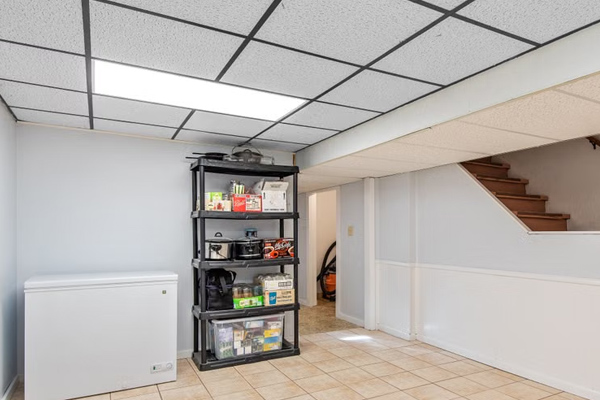
Let’s look at four common pests that may be trying to move into Georgia homes this fall.
4 Common Fall Pests Trying to Get Inside Georgia Homes
1. Stink Bugs: Looking for a Warm Place to Spend Winter
Stink bugs are one of the more recognizable fall pests. These shield-shaped insects are often spotted gathering on exterior walls, around windows, and near doors as temperatures begin to cool.
As fall progresses, stink bugs search for protected places to spend the colder months. Homes and other structures can provide the shelter they need.
Stink bugs typically enter through small openings around:
- Window frames and doorways.
- Exterior siding and trim.
- Rooflines and soffits.
- Utility line openings.
- Damaged screens and weatherstripping.
Once inside, they may hide in attics, wall voids, and other quiet areas. Homeowners sometimes discover them crawling around windows or appearing indoors on warmer winter days.
Although stink bugs don’t typically cause structural damage or reproduce inside homes, they can be a nuisance. Their name comes from the unpleasant odor they release when crushed or disturbed.
How to prevent stink bugs: Inspect your home’s exterior for gaps and cracks. Repair damaged screens, replace worn weatherstripping, and seal openings around windows and doors. Avoid crushing stink bugs if you find them indoors.
2. Spiders: Following Their Food Supply Indoors
Spiders are another pest homeowners may notice more frequently during fall. While some spiders become more noticeable because of seasonal activity and mating behavior, others may enter buildings while searching for suitable shelter.
Spiders are predators, meaning they’re usually following a food source rather than looking for crumbs in your kitchen. If other insects are making their way inside, spiders may follow.
Common places where spiders hide include:
- Garages and storage rooms.
- Closets and corners.
- Basements and crawl spaces.
- Attics and less frequently used rooms.
- Areas behind furniture and stored belongings.
Some spiders build webs in quiet corners, while others prefer hiding in dark, undisturbed spaces.
Most spiders found around Georgia homes are not dangerous, but nobody particularly enjoys reaching into a storage box and finding an unexpected eight-legged resident.
How to prevent spiders: Reduce clutter, especially in garages, closets, and storage areas. Remove webs when you find them, seal cracks around windows and doors, and address other insect problems that may be providing spiders with a steady food supply.
3. Roaches: Searching for Food, Water, and Shelter
Cockroaches are a year-round concern in Georgia, but homeowners may notice changes in their activity as outdoor temperatures fluctuate.
Roaches are attracted to environments that provide food, moisture, and places to hide. Kitchens, bathrooms, laundry rooms, and utility areas can provide ideal conditions.
Some cockroach species are more likely to enter buildings from outdoors, while others are well established indoors and can remain active throughout the year.
They may enter through:
- Gaps around plumbing and utility lines.
- Cracks in foundations and exterior walls.
- Openings beneath doors.
- Damaged vents and screens.
- Boxes, bags, and other items brought inside.
Once indoors, cockroaches can hide behind appliances, beneath sinks, inside cabinets, and in other dark, protected areas.
One important thing to remember is that a clean home isn’t necessarily immune to cockroaches. While food debris and clutter can make conditions more attractive, roaches can enter even well-maintained homes in search of shelter and moisture.
Cockroaches can also contaminate food and surfaces and may contribute to allergies and asthma symptoms.
How to prevent roaches: Keep food in sealed containers, clean up spills and crumbs, fix leaking faucets, and avoid leaving pet food out overnight. Pay attention to areas beneath sinks and around appliances where moisture can accumulate.
4. Rodents: Finding Shelter Before Winter
When fall temperatures arrive, mice and rats begin looking for protected nesting locations. Unfortunately, homes can provide everything rodents need to settle in for the colder months.
Rodents are particularly troublesome because they can squeeze through surprisingly small openings. A mouse can enter through a gap about the size of a dime, making even minor exterior damage a potential entry point.
Common rodent entry points include:
- Gaps beneath garage doors.
- Cracks in foundations.
- Openings around plumbing and utility lines.
- Roofline and attic openings.
- Damaged vents and crawl space access points.
Once inside, rodents may nest in attics, wall voids, garages, and storage areas.
Homeowners should watch for signs of rodent activity, including:
- Small droppings near cabinets or along walls.
- Scratching or scurrying sounds in walls and ceilings.
- Gnaw marks on food packaging or household materials.
- Shredded paper, insulation, or other nesting materials.
- Unusual odors in enclosed spaces.
Rodents can damage insulation and electrical wiring through chewing, and they may contaminate food and household surfaces.
How to prevent rodents: Seal exterior openings, store food securely, reduce clutter, and keep vegetation trimmed away from the house. Store firewood away from exterior walls and inspect garages and storage buildings regularly.
Where Are Pests Getting Into Your Home?
You don’t necessarily need a large opening for pests to find their way inside. Many common household pests can take advantage of surprisingly small gaps and cracks.
As part of your seasonal pest prevention routine, take time to inspect the exterior of your home.
Pay particular attention to:
Windows and doors: Check for damaged screens, worn weatherstripping, and gaps around frames.
Foundation and exterior walls: Look for cracks, holes, and openings where pipes or utility lines enter the home.
Garage doors: Make sure the door closes properly and that the bottom seal is in good condition.
Rooflines and soffits: Inspect for damaged soffits, loose siding, and openings around roof vents.
Crawl spaces and vents: Check that screens and protective covers are intact.
Gutters and landscaping: Remove leaves and debris, and keep shrubs and vegetation from growing directly against the house.
Remember, preventing pests from entering is an important part of protecting your home. However, sealing entry points alone may not resolve an existing pest problem, particularly if pests have already established themselves indoors.
Why Fall Pest Treatments Can Help Prevent Winter Infestations
One of the biggest mistakes homeowners make is waiting until they see a noticeable pest problem before taking action.
By the time you start spotting roaches in the kitchen, hearing rodents in the attic, or finding spiders throughout the house, pest activity may already be well established.
Fall provides an opportunity to get ahead of seasonal pest activity before colder weather encourages more pests to seek indoor shelter.
Professional pest services can help homeowners address several concerns before winter arrives.
Addressing outdoor pest activity: Treating areas around the home’s exterior can help manage pest populations before they find opportunities to enter.
Identifying potential entry points: A professional inspection can help identify vulnerable areas around the home’s exterior that homeowners might overlook.
Addressing existing pest activity: If pests are already inside, identifying the type of pest and where it’s hiding is an important step toward resolving the problem.
Reducing the risk of winter infestations: Taking action before pest activity increases can help prevent certain seasonal problems from becoming more difficult to manage.
It’s important to understand that different pests require different approaches. A treatment that works for spiders may not address a rodent problem or an established cockroach population. Professional pest control helps ensure the treatment strategy matches the pest and the conditions around your home.
For homeowners looking for fall pest control in McDonough, GA, scheduling service before winter is a practical way to stay ahead of seasonal pest concerns.
Fall Pest Prevention Tips for Georgia Homeowners
In addition to professional treatments, there are several steps you can take to make your home less attractive to unwanted pests.
Use this checklist to prepare your home for fall and winter:
- Seal cracks and gaps: Inspect the foundation, exterior walls, and areas around utility lines.
- Replace worn weatherstripping: Make sure doors and windows close tightly.
- Repair damaged screens: Even small holes can allow insects inside.
- Clean your gutters: Remove leaves and debris that can contribute to moisture problems.
- Clear yard debris: Keep leaves, branches, and other organic material away from your home’s foundation.
- Store firewood properly: Keep firewood elevated and away from the house.
- Secure food: Store pantry items and pet food in sealed containers.
- Fix plumbing leaks: Eliminate unnecessary moisture beneath sinks and around appliances.
- Reduce clutter: Keep garages, attics, and storage areas organized to limit potential hiding places.
- Trim vegetation: Keep shrubs and tree branches from touching your home.
These simple habits can make a difference, especially when combined with a consistent pest control strategy.
Don’t Let Fall Pests Become a Winter Problem
Fall in Georgia brings cooler temperatures, changing weather, and plenty of opportunities for pests to start looking for a new place to call home. From stink bugs gathering around windows to rodents searching for warm nesting areas, your home may be more attractive to pests than you realize.
The good news is that you don’t have to wait until an infestation develops to take action.
A combination of home maintenance, good prevention habits, and professional pest control can help reduce pest activity and protect your home throughout the colder months.
Providence Pest Control helps homeowners in McDonough, Henry County, and surrounding areas address seasonal pest concerns with professional pest services. Whether you’re dealing with spiders, roaches, rodents, or other unwanted visitors, taking care of the problem early can help you enjoy a more comfortable home all winter long.
Don’t give fall pests a chance to settle in. Contact Providence Pest Control today to discuss your seasonal pest control needs!

Greg Sweat is the founder of Providence Pest Control, a family-owned business built on a lifelong passion for solving pest problems and serving the local community. His career in the “bug business” began in 1996 after transitioning from long hours in retail management into the pest control industry, where he discovered work that truly matched his interests and goals.
Starting out on a service route, Greg quickly found motivation in helping customers solve real problems and took pride in becoming highly skilled in the field. Over the next two decades, he worked through every level of the pest control industry, eventually serving in executive leadership roles within a large corporation. While he achieved many professional milestones, Greg felt called to pursue entrepreneurship and return to a more personal, community-focused approach to service.
That vision led to the creation of Providence Pest Control as a family-operated business dedicated to providing reliable, customer-centered pest control solutions. Today, Greg works alongside his wife Jan and their children Emily and Gregory, who contribute to the business in roles ranging from bookkeeping and customer follow-up to field support.
Greg remains passionate about combining technical expertise with genuine customer care, helping families keep their homes safe, comfortable, and pest-free.
In this blog, Greg shares insights and offers expert guidance on pest prevention, treatment options, and maintaining a safe, comfortable home environment.