
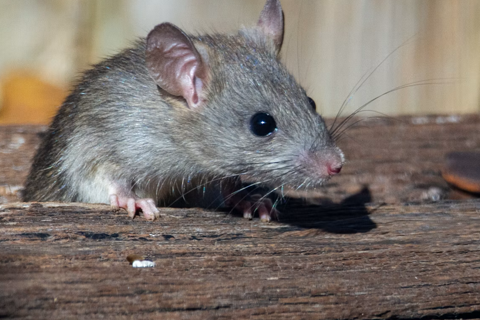
As temperatures begin to drop in Georgia, homeowners may notice something they would rather not have as a houseguest: rodents. Fall is a common time for rats and mice to start looking for warmer, more protected places to shelter, and your home can provide everything they need to settle in.
From attics and garages to crawl spaces and wall voids, rodents can find surprisingly easy ways inside. Once they get indoors, they may contaminate food, damage property, and establish nests in areas that are difficult to see.
Understanding why rodents become more active in fall, knowing the warning signs, and addressing potential entry points can help protect your home before a small problem becomes a much larger one.
Why Do Rats and Mice Come Inside in the Fall?
Georgia’s relatively mild climate means rodents can remain active throughout much of the year. However, cooler fall temperatures can encourage rats and mice to move closer to buildings in search of warmth, food, and shelter.
Outdoor conditions become less comfortable as temperatures drop, particularly at night. A house offers protection from changing weather along with access to food, water, and nesting materials. Once a rodent discovers a reliable source of these resources, it may have little reason to leave.
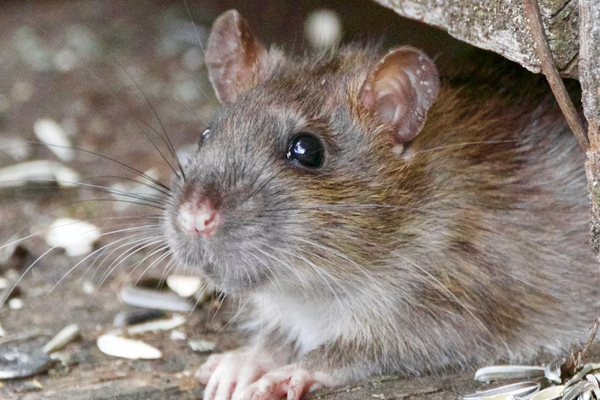
Homes Provide Food and Water
Rodents are opportunistic feeders. They can take advantage of many food sources around a home, including pet food, birdseed, garbage, pantry items, and food scraps.
Even when food is stored indoors, rodents may be able to locate it through their strong sense of smell. A bag of pet food in the garage or an improperly sealed pantry container can become an easy food source.
Water can also attract rodents. Leaky pipes, condensation, standing water, and other moisture sources may provide what they need to survive.
Small Openings Can Give Rodents Access
One of the biggest challenges with rodent prevention is that rats and mice don’t need a large opening to get inside. Small gaps around utility lines, pipes, vents, doors, windows, foundations, and rooflines can potentially provide access.
A home may look completely sealed from the outside while still having several vulnerable areas that rodents can exploit.
That’s why exterior inspections and exclusion are such important parts of effective rodent control in McDonough, GA and surrounding communities.
What Problems Can Rats and Mice Cause?
Rodents aren’t simply an unpleasant nuisance. Once inside a home, they can create sanitation concerns and cause property damage.
Health and Sanitation Concerns
Rats and mice can leave behind urine, droppings, nesting materials, and other contaminants wherever they travel. This can create unsanitary conditions in areas such as kitchens, pantries, garages, attics, and storage spaces.
Rodents may also move between areas where they nest and areas where food is stored, increasing the potential for contamination.
If you discover rodent droppings or other signs of activity, avoid disturbing heavily contaminated areas unnecessarily and take appropriate precautions when cleaning.
Property Damage
Rodents have continuously growing incisors, which means they regularly gnaw on materials. Inside a home, that can include cardboard, wood, insulation, plastic, and other materials.
One particularly concerning possibility is damage to electrical wiring. Rodents may chew wiring in walls, attics, garages, or other concealed spaces.
They can also damage insulation and nesting materials, potentially creating additional repair and sanitation issues. Because much of this activity can occur out of sight, homeowners may not realize there is a problem until signs become more obvious.
A Small Problem Can Become a Bigger One
Seeing a single mouse or finding a few droppings doesn’t necessarily mean there is only one rodent.
If rodents have discovered a warm, protected location with access to food and water, they may establish a nesting site and continue reproducing. That’s one reason early detection is so important.
Mouse Infestation Signs to Watch For
Rats and mice are often most active when people are asleep, and they can spend much of their time hidden. As a result, homeowners may notice evidence of rodents before they actually see one.
Some common mouse infestation signs include:
- Small droppings in cabinets, drawers, garages, attics, or along walls
- Scratching, squeaking, or scurrying sounds
- Chewed food packaging
- Gnaw marks on wood, plastic, or other materials
- Shredded paper, cardboard, or insulation used as nesting material
- Unusual or musty odors
- Greasy marks along frequently traveled areas
- Damaged insulation
- Signs of chewing around utility openings
- Pets behaving unusually around walls, cabinets, or other areas
Droppings and other evidence can sometimes indicate where rodents are traveling. However, finding one sign doesn’t always reveal the full extent of the problem.
Where Do Rats and Mice Hide?
Rodents don’t necessarily build their nests in obvious locations. They prefer quiet, protected spaces where they won’t be disturbed.
Depending on how a home is constructed, common hiding places can include:
- Attics
- Crawl spaces
- Wall voids
- Garages
- Behind appliances
- Under cabinets
- Storage areas
- Around HVAC equipment
- Near utility entrances
- Areas containing insulation or clutter
This is one reason rodent problems can be difficult for homeowners to resolve on their own. You may remove evidence from one area while rodents remain active somewhere else.
Why Exclusion Is an Important Part of Rodent Control
Removing rodents that are already inside is only part of the solution. If the opening they used to enter remains accessible, other rodents may eventually find the same route.
Exclusion focuses on identifying and addressing potential entry points around the structure.
A professional inspection can help identify areas such as:
- Gaps around pipes and utility lines
- Openings around vents
- Damaged screens
- Gaps beneath garage doors
- Foundation cracks or openings
- Spaces around doors and windows
- Vulnerable areas along the roofline or soffits
The goal is to make the structure less accessible to rodents while also addressing conditions that may attract them.
Homeowners can help by keeping food stored securely, cleaning up spills, securing garbage, limiting access to pet food, and reducing unnecessary clutter around the home.
Why Professional Rodent Removal Can Help
Once rats or mice have entered a home, determining where they are nesting and how they are getting inside can be challenging.
Professional rodent removal can address more than the visible signs of activity. A pest professional can inspect the property, look for evidence of rodents, identify potential entry points, and develop an approach based on the conditions found.
Professional services may include:
- Inspection for signs of rodent activity
- Identification of likely entry points
- Rodent removal
- Recommendations for exclusion
- Identification of conditions contributing to activity
- Follow-up recommendations to help prevent recurring problems
This comprehensive approach matters because catching or removing one rodent doesn’t necessarily mean the underlying problem has been resolved.
When Should You Call a Pest Professional?
If you notice occasional signs of rodent activity, it’s worth paying attention rather than assuming the problem will disappear on its own.
Consider contacting a pest professional if you:
- Repeatedly find rodent droppings
- Hear scratching or movement inside walls or ceilings
- Discover damaged wiring or insulation
- Find nesting materials
- See a rat or mouse inside your home
- Find chewed food packages
- Continue seeing signs after attempting DIY control
- Notice repeated activity in an attic, garage, or crawl space
- Can’t determine how rodents are getting inside
Addressing the problem early can make it easier to identify the source and prevent rodents from becoming established throughout the home.
Protect Your Home From Fall Rodent Activity
Fall is a good time to take a closer look at the areas around your home that rodents could use as entry points. Walk around the exterior and look for gaps, cracks, damaged screens, openings around utilities, and other potential access points.
Inside the home, watch for droppings, gnaw marks, scratching sounds, nesting materials, and other evidence of activity.
Most importantly, don’t ignore the signs. Rodents that find a comfortable place to shelter may continue using it as temperatures fall and winter approaches.
If you’re dealing with rats or mice, professional rodent removal can help address the immediate problem while identifying ways to reduce the chances of future activity.
Need Help With Rodents in Your Home?
If you’ve noticed signs of rats or mice around your home, Providence Pest Control can help identify the source of the activity and determine the appropriate next steps. From rodent removal to prevention and exclusion recommendations, professional pest control can help you protect your home throughout the fall and beyond.
Contact Providence Pest Control to learn more about rodent control in McDonough, GA, and surrounding areas.

Greg Sweat is the founder of Providence Pest Control, a family-owned business built on a lifelong passion for solving pest problems and serving the local community. His career in the “bug business” began in 1996 after transitioning from long hours in retail management into the pest control industry, where he discovered work that truly matched his interests and goals.
Starting out on a service route, Greg quickly found motivation in helping customers solve real problems and took pride in becoming highly skilled in the field. Over the next two decades, he worked through every level of the pest control industry, eventually serving in executive leadership roles within a large corporation. While he achieved many professional milestones, Greg felt called to pursue entrepreneurship and return to a more personal, community-focused approach to service.
That vision led to the creation of Providence Pest Control as a family-operated business dedicated to providing reliable, customer-centered pest control solutions. Today, Greg works alongside his wife Jan and their children Emily and Gregory, who contribute to the business in roles ranging from bookkeeping and customer follow-up to field support.
Greg remains passionate about combining technical expertise with genuine customer care, helping families keep their homes safe, comfortable, and pest-free.
In this blog, Greg shares insights and offers expert guidance on pest prevention, treatment options, and maintaining a safe, comfortable home environment.