Bees vs. Wasps: What’s Nesting Around Your Home? Learn how to identify bees, wasps, and hornets, spot nests, understand the risks, and know when to call Providence Pest Control. As the weather warms up in Georgia, homeowners begin spending more time outdoors. Whether you’re grilling on the patio, gardening, or watching the kids play in the backyard, the last thing you want is to discover a buzzing nest tucked under your deck or hanging from your eaves. But before you panic, it’s important to know exactly what you’re dealing with.
Many people use the terms “bees,” “wasps,” and “hornets” interchangeably, but these stinging insects have very different behaviors, nesting habits, and roles in the environment. Proper identification is the first step toward choosing the safest and most effective solution. While bees are valuable pollinators that often deserve humane relocation, wasps and hornets can become aggressive and pose serious safety risks around homes.
If you’ve noticed increased insect activity around your property, understanding the difference between these species can help you make informed decisions. Here’s what every homeowner should know about bee control in McDonough, GA, wasp nest removal, hornet control in Georgia, and professional stinging insect control.
Bees, Wasps, and Hornets: What’s the Difference?
Although they may look similar from a distance, bees, wasps, and hornets each have unique characteristics.
Bees
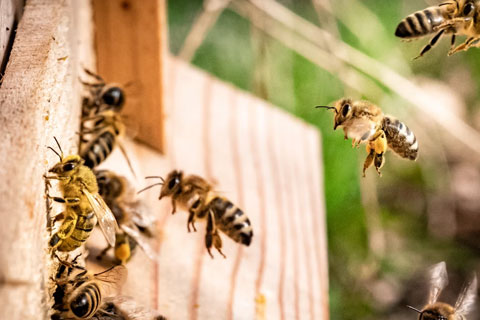
Bees have rounder, fuzzier bodies that help collect pollen from flowers. They primarily feed on nectar and pollen, making them one of nature’s most important pollinators. Honey bees, bumblebees, and native solitary bees all contribute to healthy gardens, farms, and ecosystems.
Most bees are not naturally aggressive. In fact, many species will only sting when they feel directly threatened or when their hive is disturbed. Honey bees can sting only once before dying, which is another reason they generally avoid confrontation whenever possible.
Bees often build nests in:
- Hollow trees
- Wall voids
- Chimneys
- Roof spaces
- Beehives attached to structures
Wasps
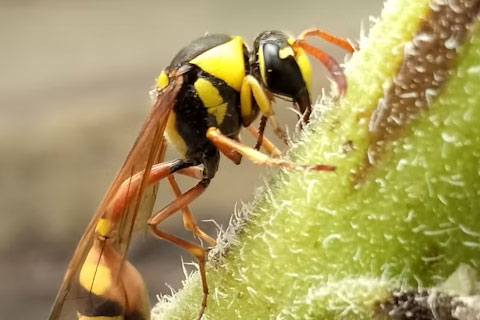
Wasps have smooth, shiny bodies with narrow waists and long legs. Unlike bees, they feed on insects, sugary foods, and proteins, making them common visitors at backyard cookouts and outdoor trash cans.
While wasps can help control certain garden pests, they are much more territorial than bees. If they believe their nest is threatened, they can sting repeatedly and aggressively.
Common nesting locations include:
- Roof eaves
- Porch ceilings
- Decks
- Outdoor furniture
- Mailboxes
- Sheds
Hornets
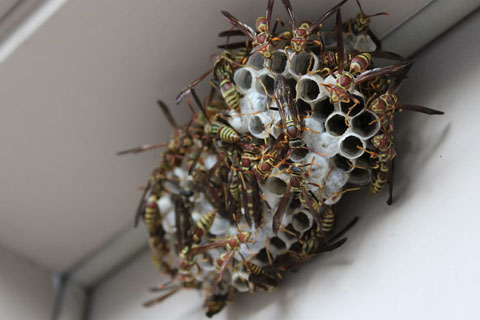
Hornets are actually a type of wasp, but they are generally larger and build much larger colonies. Their papery aerial nests are often found hanging from tree branches, shrubs, rooflines, or other elevated structures.
Hornets are extremely protective of their nests and may attack in large numbers if disturbed. Because they can sting multiple times, they are often considered one of the more dangerous stinging insects found around Georgia homes.
Why Stinging Insects Choose Residential Properties
Your home offers nearly everything bees, wasps, and hornets need to thrive.
Sheltered areas like roof overhangs, attic vents, wall cavities, decks, and sheds provide excellent nesting locations that are protected from weather and predators. Landscaping with flowering plants supplies nectar and pollen for bees, while wasps are attracted to gardens because they hunt caterpillars, flies, and other insects.
Additional factors that attract stinging insects include:
- Outdoor garbage cans
- Pet food left outside
- Bird feeders
- Standing water
- Sweet drinks and food during outdoor gatherings
- Wood fencing and structures
In Georgia, activity typically begins increasing during the spring as queens establish new colonies. Throughout the summer, nests continue to grow rapidly, often reaching their largest size by late summer and early fall. By that point, hundreds, or even thousands, of insects may occupy a single nest.
Regular stinging insect control inspections can help identify developing nests before they become a much larger problem.
The Risks of Bees, Wasps, and Hornets Around Your Property
Not every buzzing insect is an emergency, but active nests located near your home can quickly create hazardous situations.
Health Risks
For most people, a sting causes temporary pain, redness, and swelling. However, wasps and hornets can sting multiple times, increasing discomfort and the chance of more severe reactions.
Individuals with insect sting allergies face an even greater danger. A single sting can trigger anaphylaxis, a potentially life-threatening allergic reaction that requires immediate medical attention.
Children, older adults, and pets are particularly vulnerable because they may unknowingly disturb a nest while playing or exploring.
Property Concerns
Many nests remain hidden until insect activity becomes obvious. Colonies may develop inside:
- Exterior walls
- Soffits
- Attics
- Crawl spaces
- Behind shutters
As colonies grow, insects may begin entering living spaces through small gaps or vents. Large nests near doors, walkways, patios, or playground equipment also increase the likelihood of accidental encounters.
Waiting too long to address an active nest generally allows the colony to expand, making removal more difficult later in the season.
Why DIY Nest Removal Can Be Dangerous
It may be tempting to purchase an aerosol spray from the hardware store and handle the problem yourself. Unfortunately, DIY wasp nest removal often creates more danger than homeowners expect.
Wasps and hornets instinctively defend their colonies. Disturbing a nest can trigger dozens, or even hundreds, of insects to attack simultaneously. Unlike honey bees, many wasps and hornets can sting repeatedly.
Additional risks include:
- Falls from ladders while reaching rooflines
- Hidden nests inside walls that cannot be treated effectively
- Incomplete treatments that leave surviving insects behind
- Exposure to pesticides used incorrectly
- Unexpected secondary nest entrances
Even if the visible portion of a nest appears inactive, there may still be significant insect activity hidden within the structure.
Professional pest control technicians have the training, protective equipment, and treatment methods necessary to remove nests safely while minimizing risks to your family.
Safe, Humane Bee Control Options
Unlike wasps and hornets, bees play an essential role in pollinating flowers, fruits, vegetables, and many agricultural crops. Because of their environmental importance, many situations call for relocation rather than extermination whenever possible.
Professional bee control in McDonough, GA often begins with proper identification. Not every bee infestation requires the same approach.
Depending on the species and nesting location, humane solutions may include:
- Relocating honey bee colonies when practical
- Safely removing hives from structures
- Coordinating with local beekeepers when appropriate
- Preventing future nesting by sealing entry points after removal
When bees establish colonies inside walls or attics, prompt action becomes especially important. Leaving an abandoned hive behind can attract other pests, create unpleasant odors, and even lead to honey leaking through drywall over time.
Working with experienced professionals helps ensure that bees are handled responsibly while protecting both your property and these valuable pollinators whenever possible.
Professional Wasp and Hornet Control in Georgia
Because wasps and hornets are often more aggressive than bees, professional treatment is usually the safest option.
At Providence Pest Control, comprehensive bee control in Georgia typically begins with a careful inspection to identify:
- The species involved
- Nest size
- Nest location
- Potential entry points
- Safety concerns for residents
After identifying the problem, technicians use targeted treatments designed to eliminate the colony while minimizing exposure to people, pets, and beneficial insects.
Professional service may also include:
- Safe nest removal
- Treatment of hidden nesting areas
- Recommendations for preventing future colonies
- Follow-up monitoring if necessary
Addressing nests early in the season often prevents colonies from growing into much larger infestations later in the summer.
Tips to Prevent Bees, Wasps, and Hornets from Nesting Around Your Home
While you can’t eliminate every stinging insect, a few preventative measures can make your property less attractive for nesting.
Maintain Your Home
Inspect your home’s exterior regularly and:
- Seal cracks and gaps around siding
- Repair damaged soffits and fascia boards
- Screen attic vents
- Replace damaged window screens
- Seal openings around utility lines
Keep Your Yard Well Maintained
Reduce nesting opportunities by:
- Trimming shrubs and tree branches
- Removing abandoned nests during winter
- Keeping grass and landscaping maintained
- Eliminating standing water
- Keeping trash containers tightly closed
Reduce Food Sources
Outdoor food attracts many stinging insects.
Help discourage them by:
- Cleaning outdoor grills after use
- Covering food during cookouts
- Promptly cleaning up spilled drinks
- Bringing pet food indoors after feeding
- Regularly rinsing recycling bins
Monitor Early Activity
Spring is the ideal time to inspect your property for new nest construction. Small nests are much easier and safer to address before colonies become fully established.
Routine stinging insect control inspections can identify potential issues before they pose a risk to your family.
When Should You Call Providence Pest Control?
Some insect activity is perfectly normal, but certain situations should always be handled by professionals.
Contact Providence Pest Control if:
- You discover an active nest attached to your home.
- Insects are entering walls or attic spaces.
- Someone in your household has a known sting allergy.
- The nest is high off the ground or difficult to access.
- You notice multiple nests around your property.
- Stinging insects continue returning each season.
Prompt treatment not only reduces the risk of painful stings but also prevents colonies from expanding into larger infestations that are more difficult to remove.
Protect Your Home with Professional Stinging Insect Control
Bees, wasps, and hornets all play different roles in nature, but that doesn’t mean they belong around your home’s entrances, patios, or play areas. Understanding the differences between these insects helps you respond appropriately and choose the safest solution.
Whenever possible, beneficial bee colonies should be managed using humane removal and relocation methods. Aggressive wasps and hornets, however, often require professional treatment to protect your family and prevent dangerous encounters.
If you’ve discovered a nest or noticed increased stinging insect activity around your property, don’t wait for the problem to grow. Providence Pest Control provides expert bee control in McDonough, GA, professional wasp nest removal, reliable hornet control in Georgia, and comprehensive stinging insect control to help keep your home safe throughout the season.
Contact Providence Pest Control today to schedule an inspection and enjoy greater peace of mind knowing your home is protected by experienced local professionals.

Greg Sweat is the founder of Providence Pest Control, a family-owned business built on a lifelong passion for solving pest problems and serving the local community. His career in the “bug business” began in 1996 after transitioning from long hours in retail management into the pest control industry, where he discovered work that truly matched his interests and goals.
Starting out on a service route, Greg quickly found motivation in helping customers solve real problems and took pride in becoming highly skilled in the field. Over the next two decades, he worked through every level of the pest control industry, eventually serving in executive leadership roles within a large corporation. While he achieved many professional milestones, Greg felt called to pursue entrepreneurship and return to a more personal, community-focused approach to service.
That vision led to the creation of Providence Pest Control as a family-operated business dedicated to providing reliable, customer-centered pest control solutions. Today, Greg works alongside his wife Jan and their children Emily and Gregory, who contribute to the business in roles ranging from bookkeeping and customer follow-up to field support.
Greg remains passionate about combining technical expertise with genuine customer care, helping families keep their homes safe, comfortable, and pest-free.
In this blog, Greg shares insights and offers expert guidance on pest prevention, treatment options, and maintaining a safe, comfortable home environment.