
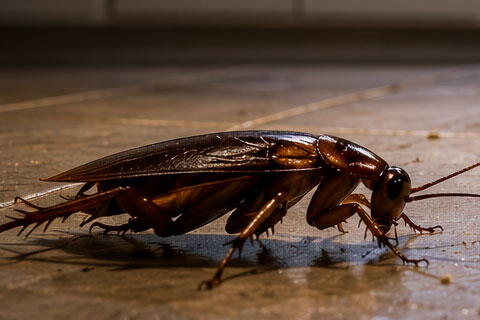
If you’ve ever spotted a roach darting across your kitchen floor late at night, you already know how unsettling a cockroach problem can be. Unfortunately, homeowners throughout Georgia commonly deal with these persistent pests thanks to the region’s warm temperatures and high humidity levels. Once roaches find food, moisture, and shelter inside a home, they can multiply quickly and become difficult to eliminate without professional help.
Whether you’re dealing with a few sightings or a full-blown cockroach infestation in Georgia, understanding why roaches thrive here is the first step toward keeping your home protected. In this article, we’ll cover the most common roach species found in Georgia homes, the health risks they pose, and why working with a professional roach exterminator is often the most effective solution.
Why Roaches Thrive in Georgia Homes
Georgia’s climate creates nearly perfect conditions for cockroaches to survive year-round. Unlike colder northern states where freezing temperatures slow pest activity, Georgia’s mild winters and long humid summers allow roaches to remain active in every season.
Warm Temperatures Encourage Roach Activity
Cockroaches thrive in warm environments. Most species prefer temperatures between 70 and 90 degrees, which makes Georgia homes especially attractive throughout much of the year. During periods of extreme heat or heavy rain, roaches often move indoors searching for reliable shelter and water sources.
Humidity Provides the Moisture They Need
Roaches are highly dependent on moisture to survive. Humid conditions around kitchens, bathrooms, laundry rooms, crawl spaces, and basements create ideal hiding and breeding areas. Even small plumbing leaks or condensation around appliances can support a growing infestation.
Some of the most common moisture sources that attract roaches include:
- Leaking pipes
- Standing water under sinks
- Damp crawl spaces
- Pet water bowls
- Poor ventilation
- Excess humidity in bathrooms or basements
Homes Provide Easy Access to Food and Shelter
Cockroaches are scavengers and can survive on almost any organic material. Crumbs, grease, garbage, pet food, and even cardboard can attract them indoors. Once inside, they hide in dark, secluded areas such as:
- Behind appliances
- Under sinks
- Inside wall voids
- Around plumbing lines
- Inside cabinets and pantries
Because roaches can flatten their bodies and squeeze through tiny openings, even small cracks around windows, doors, and utility lines can become entry points.
Common Roach Species Found in Georgia Homes
Several types of cockroaches are common throughout the state, but some species are far more problematic than others.
German Roaches
German roaches are one of the most common indoor cockroach species and among the hardest to eliminate. These small, light brown roaches are usually identified by the two dark stripes located behind their heads.
German roaches reproduce extremely quickly. A single female can produce hundreds of offspring during her lifetime, allowing infestations to spread rapidly throughout a home or apartment.
These pests are commonly found in:
- Kitchens
- Bathrooms
- Laundry rooms
- Restaurants
- Multi-family housing
Because German roaches prefer to stay close to food and moisture sources, they often hide behind refrigerators, dishwashers, stoves, and sinks.
One reason German roaches are so difficult to control is their ability to remain hidden during the day. By the time homeowners begin seeing them regularly, the infestation is often already well established.
American Cockroaches
American cockroaches are much larger than German roaches and are commonly referred to as “palmetto bugs” in the South. These reddish-brown roaches are often found in:
- Basements
- Crawl spaces
- Garages
- Drains
- Utility rooms
Although they can live outdoors, American cockroaches frequently move indoors during hot weather or periods of heavy rain.
Smokybrown Cockroaches
Smokybrown cockroaches are another common Georgia pest. These dark brown or mahogany-colored roaches thrive in humid outdoor environments but often invade homes through attics, rooflines, chimneys, and gaps around windows or doors.
They are especially attracted to areas with excess moisture and decaying organic material.
Signs You May Have a Cockroach Infestation
Many homeowners don’t realize they have a roach problem until the infestation becomes significant. Knowing the warning signs can help you address the issue early before it spreads further.
Common Signs of Roaches
Some of the most common indicators of a cockroach infestation in Georgia include:
- Seeing live roaches, especially during the day
- Small droppings resembling black pepper or coffee grounds
- Egg cases (oothecae)
- Musty or oily odors
- Smear marks along walls or baseboards
- Shed skins near hiding places
Why Seeing One Roach Usually Means More
Cockroaches are nocturnal and naturally avoid humans. If you are seeing roaches during the daytime, it may indicate overcrowding within their nesting areas. In many cases, visible roaches are only a small fraction of the total population hiding behind walls, under appliances, or inside cabinets.
Because cockroaches reproduce rapidly, even a small infestation can escalate quickly if left untreated.
Health Risks Associated with Roaches
Roaches are more than just unpleasant household pests. They can also create serious health and sanitation concerns for homeowners and families.
Bacteria and Surface Contamination
Cockroaches often travel through unsanitary areas such as drains, garbage bins, and sewers before crawling across kitchen counters, dishes, and food storage areas. As they move throughout a home, they can spread bacteria and contaminate surfaces.
This contamination can contribute to poor indoor sanitation conditions and increase the risk of illness.
Allergies and Asthma Concerns
Cockroach droppings, saliva, and shed skin contain allergens that can trigger allergic reactions and asthma symptoms. Children, elderly individuals, and people with respiratory conditions are often especially sensitive.
In some homes, long-term roach infestations may contribute to worsening indoor air quality and recurring allergy symptoms.
Why DIY Roach Treatments Often Fail
When homeowners first notice roaches, many turn to store-bought sprays, traps, or foggers for a quick solution. While these products may temporarily reduce visible activity, they rarely solve the root problem.
Sprays Usually Kill Only Visible Roaches
Most over-the-counter sprays only eliminate the roaches you can see. Unfortunately, the majority of the infestation often remains hidden deep inside walls, cracks, or appliance voids.
In some cases, improper use of sprays can actually scatter roaches and cause them to spread into new areas of the home.
Roaches Reproduce Too Quickly
Cockroaches multiply rapidly, especially German roaches. Missing even a few egg cases can allow the infestation to continue growing despite repeated DIY treatments.
Different Roach Species Require Different Solutions
Not all roaches behave the same way. Treatment methods that work for one species may not be effective for another. Proper identification is critical for successful long-term control.
Why Professional Roach Control Is More Effective
Working with a professional roach exterminator gives homeowners a much more thorough and strategic approach to eliminating infestations.
Professional Inspections Identify the Source
A trained pest control professional can identify:
- The roach species involved
- Nesting and breeding areas
- Moisture problems
- Entry points
- Contributing sanitation issues
This allows for targeted treatment rather than temporary symptom control.
Advanced Treatment Methods
Professional roach control often includes a combination of:
- Professional-grade bait systems
- Insect growth regulators
- Crack and crevice treatments
- Monitoring stations
- Exclusion recommendations
These treatments are designed to eliminate entire colonies, including hidden populations and developing eggs.
Long-Term Prevention Strategies
Effective pest control also focuses on prevention. Your pest control provider may recommend steps such as:
- Sealing cracks and gaps
- Reducing excess moisture
- Improving ventilation
- Addressing plumbing leaks
- Maintaining regular pest control service
Ongoing monitoring can help prevent future infestations before they become severe.
How Providence Pest Control Can Help
At Providence Pest Control, we understand the unique pest pressures Georgia homeowners face. Our team provides targeted roach control in McDonough, GA designed to eliminate infestations and help keep homes protected long-term.
We take a comprehensive approach by identifying the species involved, locating nesting areas, and developing customized treatment plans based on your home’s specific needs.
Whether you’re dealing with German roaches, American cockroaches, or recurring indoor pest activity, our experienced team can help restore comfort and peace of mind.
Keep Your Home Roach-Free Year-Round
Roaches thrive in Georgia homes because the region’s warm temperatures, humidity, and abundant food and water sources create ideal living conditions. Unfortunately, once cockroaches establish themselves indoors, they can spread quickly and create both sanitation and health concerns.
While DIY products may provide temporary relief, professional treatment is often the most effective way to eliminate infestations completely and prevent them from returning.If you’re dealing with a cockroach infestation in Georgia or need reliable roach control in McDonough, GA, contact Providence Pest Control today to schedule a professional inspection and treatment plan.

Greg Sweat is the founder of Providence Pest Control, a family-owned business built on a lifelong passion for solving pest problems and serving the local community. His career in the “bug business” began in 1996 after transitioning from long hours in retail management into the pest control industry, where he discovered work that truly matched his interests and goals.
Starting out on a service route, Greg quickly found motivation in helping customers solve real problems and took pride in becoming highly skilled in the field. Over the next two decades, he worked through every level of the pest control industry, eventually serving in executive leadership roles within a large corporation. While he achieved many professional milestones, Greg felt called to pursue entrepreneurship and return to a more personal, community-focused approach to service.
That vision led to the creation of Providence Pest Control as a family-operated business dedicated to providing reliable, customer-centered pest control solutions. Today, Greg works alongside his wife Jan and their children Emily and Gregory, who contribute to the business in roles ranging from bookkeeping and customer follow-up to field support.
Greg remains passionate about combining technical expertise with genuine customer care, helping families keep their homes safe, comfortable, and pest-free.
In this blog, Greg shares insights and offers expert guidance on pest prevention, treatment options, and maintaining a safe, comfortable home environment.